Did you know? Facts from Ostrava’s neighbourhoods
Verified facts about the places that give neighbourhoods their face: 16 places, each with a photo, a source and the day we checked it.
-
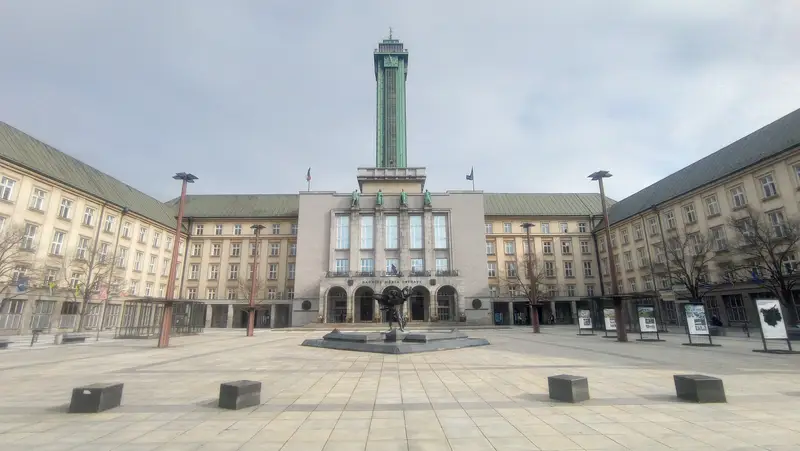
Photo: Adam Hauner, CC BY-SA 4.0 1930 New Town HallThe city began building the town hall, designed by Jan Rubý and František Kolář, in April 1925 and finished it in 1930. With its 85.6-metre tower it is the tallest town hall building in Czechia; the viewing terrace is 73 metres up. It has been a national cultural monument since 2024.
Moravská Ostrava, Moravská Ostrava a Přívoz · Source: Wikipedie: Nová radnice (Ostrava) · checked 2. 11. 2026 -
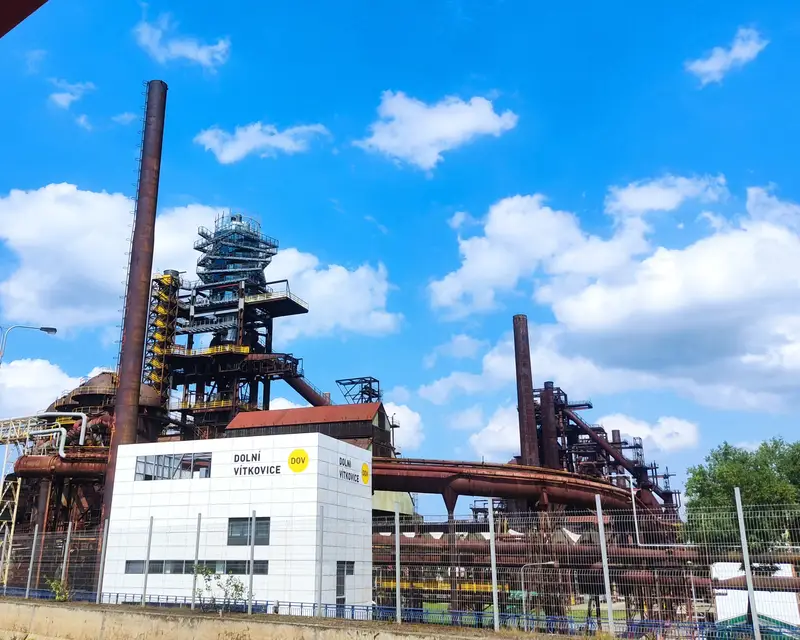
Photo: Czech Tea, CC BY 4.0 1998 Lower VítkoviceIron making started here in 1830 at the Rudolf ironworks. The last tapping was on 27 September 1998 at blast furnace No. 1, and in 2002 the whole site became a national cultural monument. Bolt Tower has stood on top of the same furnace since 2015.
-
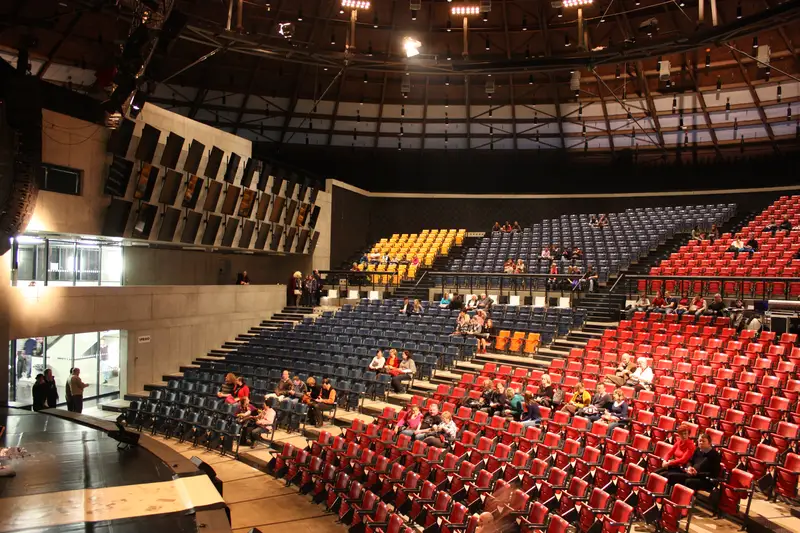
Photo: Kenyh, CC BY-SA 3.0 2012 GongThe Gong concert and multipurpose hall was built inside a former gas holder from 1922–1924. The conversion started in November 2010 and the hall first opened on 1 May 2012.
-
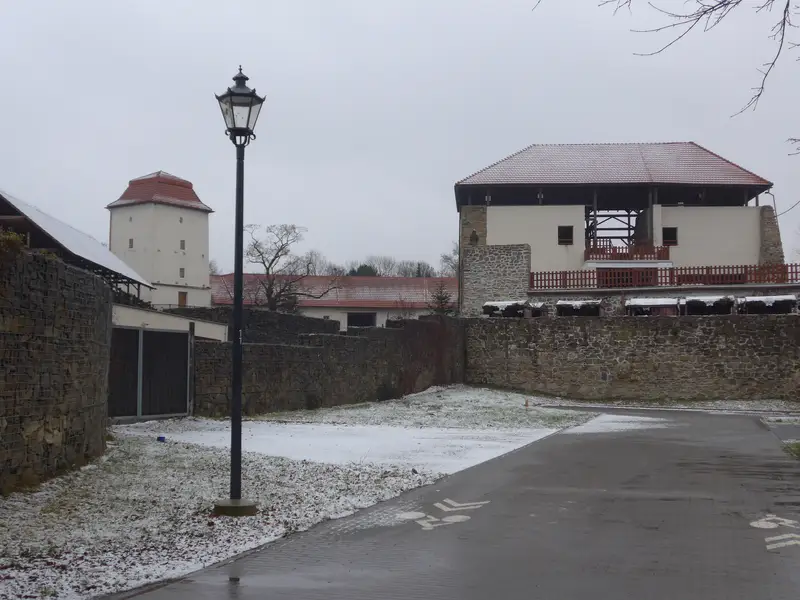
Photo: Mickapr, CC BY-SA 4.0 1297 Silesian Ostrava CastleThe castle was built in the second half of the 13th century; the oldest dated record is a charter of 2 August 1297. Mining underneath made it sink by about 16 metres. The city bought the run-down castle, restored it and opened it to the public in May 2004.
-
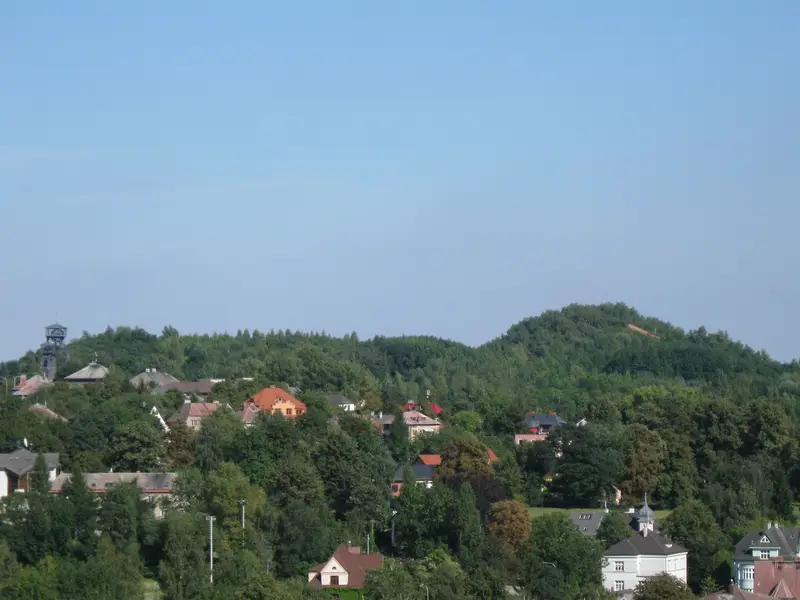
Photo: Lukáš Mižoch, CC BY 3.0 Ema heapThe heap grew from waste rock from Ostrava’s mines, probably starting before 1920. It is still burning inside: temperatures reach up to 900 °C and white smoke rises from its southern slope. From the top, Ostrava’s third-highest point, you can see the Beskids, the Jeseníky mountains and into Poland.
-
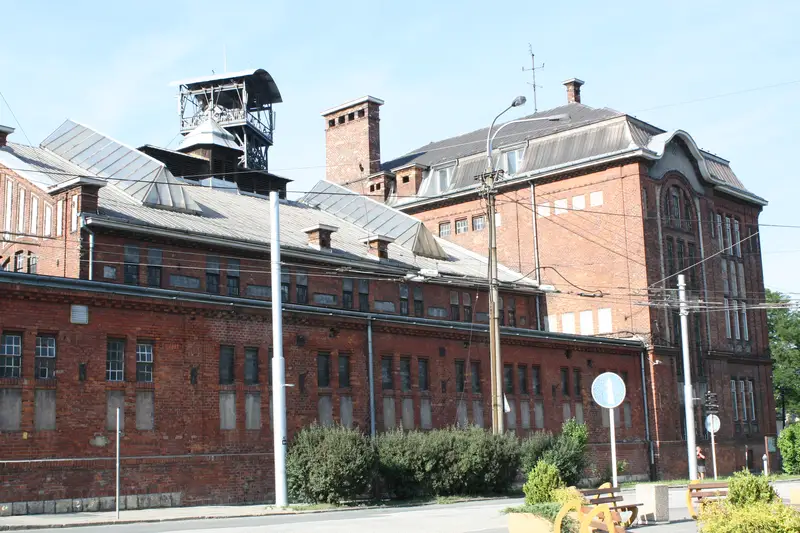
Photo: Vildungova, CC BY-SA 3.0 2000 Michal mineThe mine’s present form comes from a rebuild in 1912–1915. After mining ended, heritage experts set up an exhibition of “the last working day”, including the miners’ chain changing room and washroom. The mine has been open to the public since 2000.
-
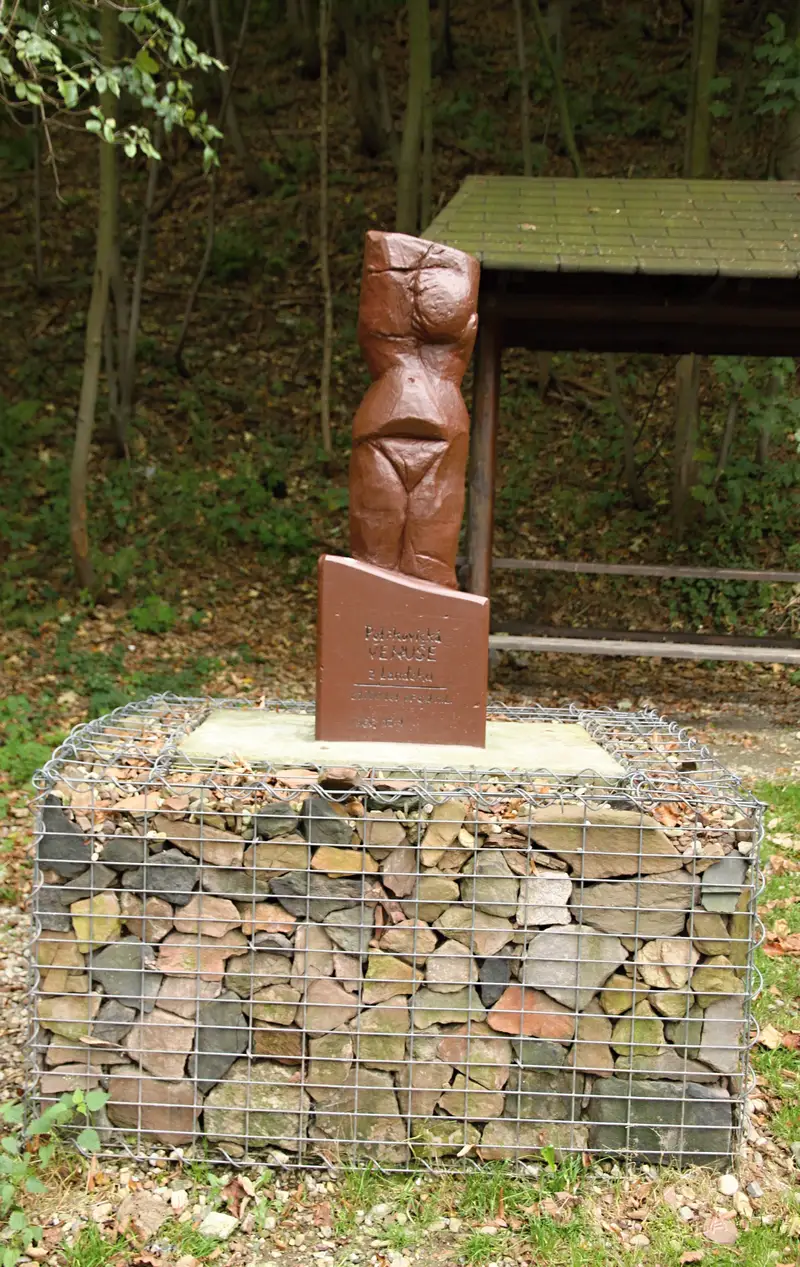
Photo: Sylva.Kristianova, CC BY-SA 3.0 1953 Venus of PetřkoviceOn Landek hill, archaeologist Bohuslav Klíma found on 14 July 1953 a headless female torso 4.6 cm tall, made of haematite. It is about 23,000 years old, from the time of the mammoth hunters. The original is kept by the Institute of Archaeology of the Czech Academy of Sciences in Brno; it was shown in Ostrava only once, in November 2002.
-
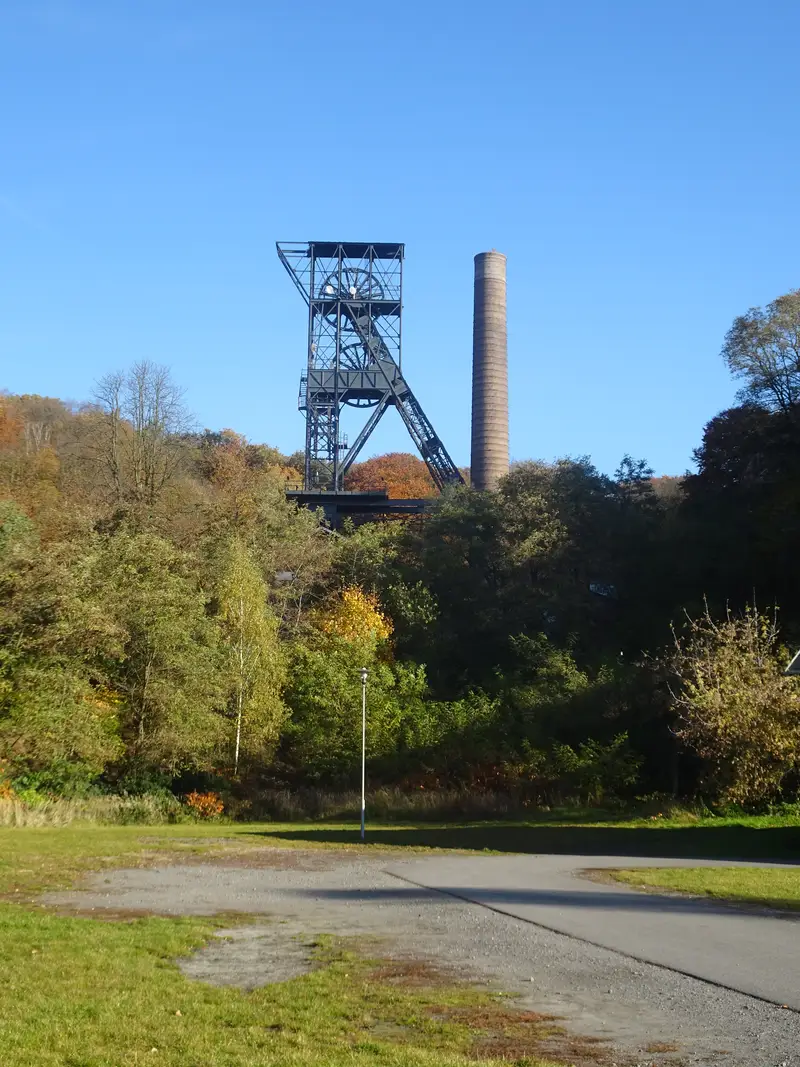
Photo: Palickap, CC BY-SA 4.0 1993 Landek ParkThe Landek Park mining museum opened on 4 December 1993, the feast of St Barbara, patron saint of miners. The underground exhibition runs through 250 metres of tunnels of the former Anselm mine, under a 40-metre headframe; the whole site covers about 10 hectares.
-

Photo: Michal Klajban, CC BY-SA 4.0 1889 Cathedral of the Divine SaviourThe neo-Renaissance church, to plans by Gustav Meretta, was built in 1883–1889. It holds 4,000 people and is the second-largest church in Moravia after the basilica at Velehrad. It has been a cathedral since the Ostrava-Opava diocese was founded on 30 May 1996.
Moravská Ostrava, Moravská Ostrava a Přívoz · Source: Wikipedie: Katedrála Božského Spasitele · checked 2. 11. 2026 -
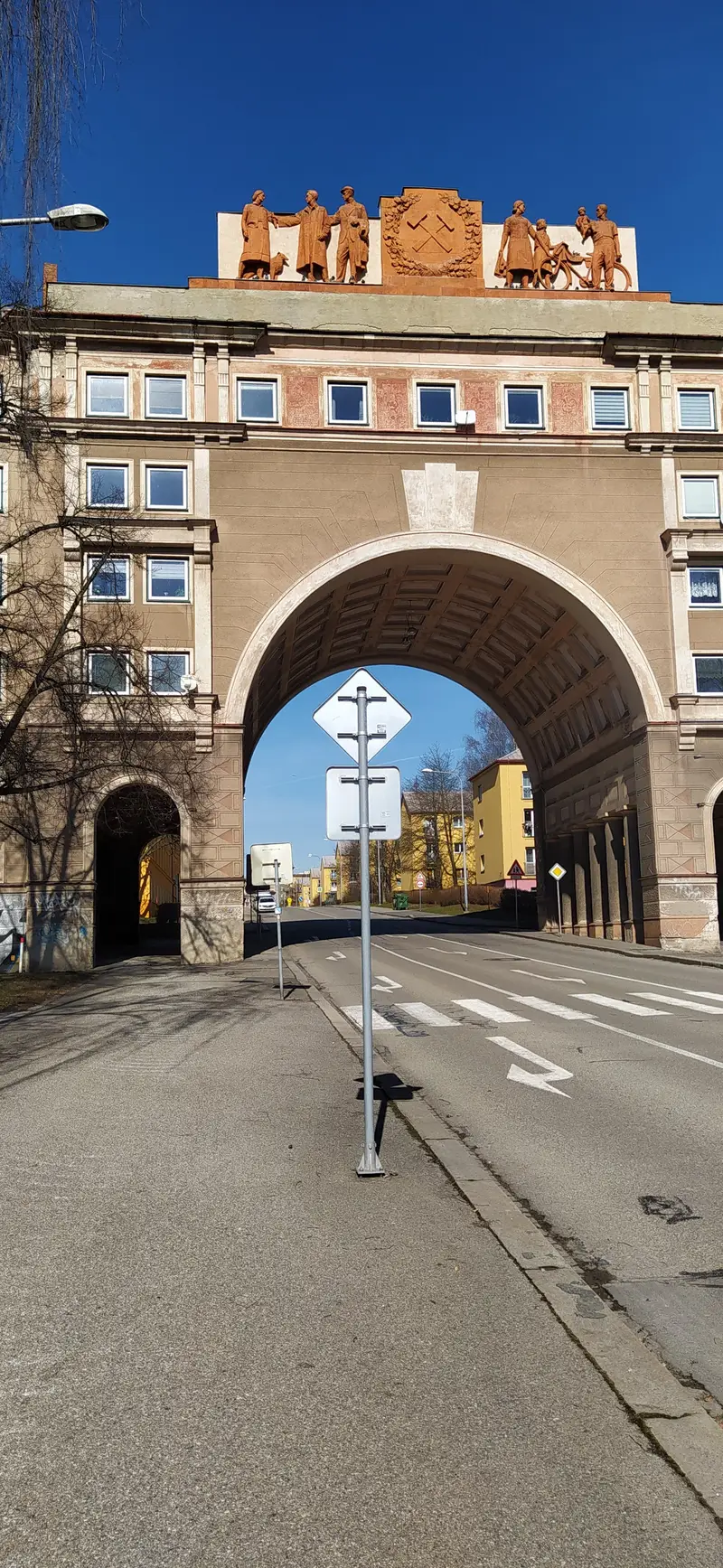
Photo: Fry72, CC BY-SA 4.0 1954 The Arch in PorubaThe Arch (Oblouk) was built from June 1952 to December 1954 to a design by Brno architect Evžen Šteflíček in the socialist realist style. Its model was the General Staff Building in St Petersburg; instead of a chariot it carries a relief of workers going to and from work. It has been a listed monument since 2008.
-
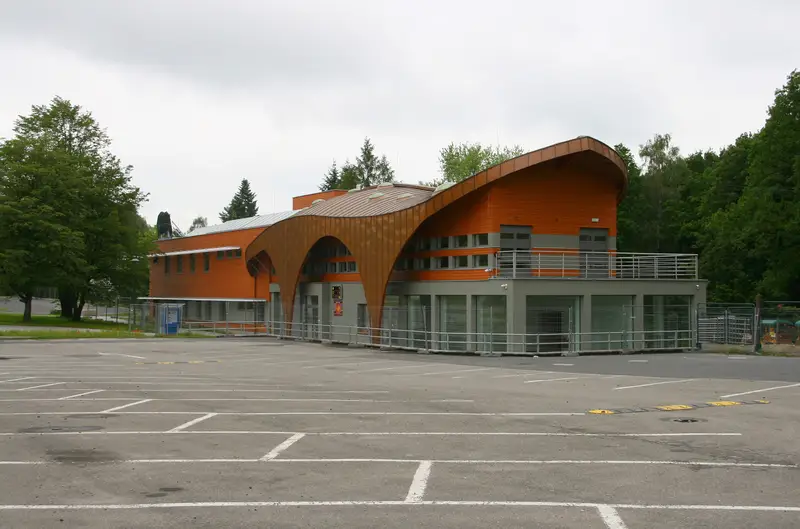
Photo: Kankovaa, CC BY-SA 4.0 1951 Ostrava ZooThe zoo was founded on 26 October 1951 and, at 100 hectares, is the second-largest in Czechia after Chomutov. Since 2018 it has been called the Zoo and Botanical Park; almost 6,000 rhododendrons grow here. At the end of 2024 it kept 451 animal species.
-
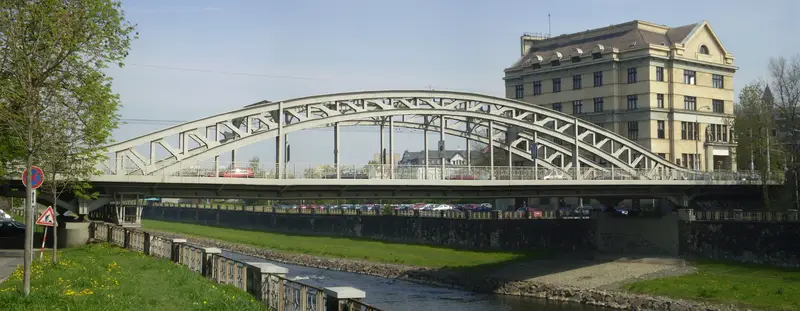
Photo: Michal Klajban, CC BY-SA 4.0 1914 Sýkora BridgeThe steel bridge over the Ostravice has linked Moravian and Silesian Ostrava since 1914; its arch spans 60.7 metres. It is named after Miloš Sýkora, who according to legend saved it from being blown up in 1945. It has been a listed monument since 2009.
-
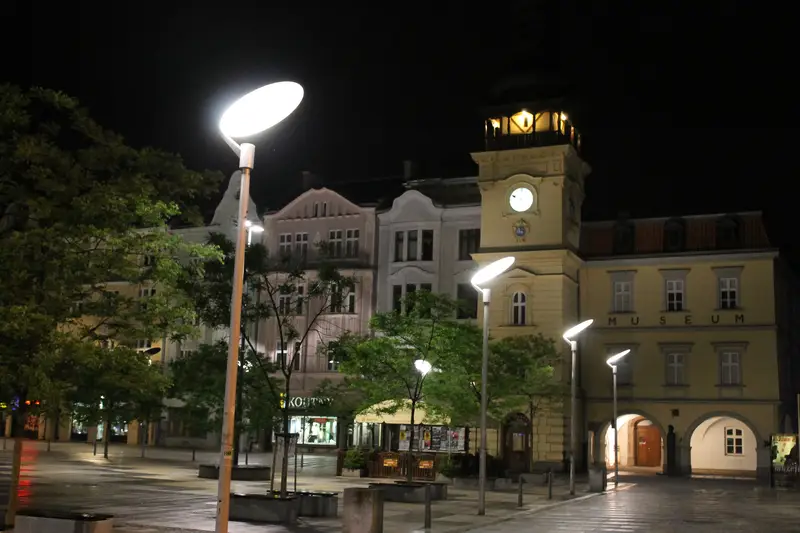
Photo: Jan Valach, CC BY-SA 3.0 1539 Old Town HallThe town hall is first mentioned in 1539; the exact year it was built cannot be proven. Since 1931 it has housed the Ostrava Museum. A mark on a pillar shows the 1880 flood at about 1.7 metres.
Moravská Ostrava, Moravská Ostrava a Přívoz · Source: Wikipedie: Stará radnice (Ostrava) · checked 2. 11. 2026 -
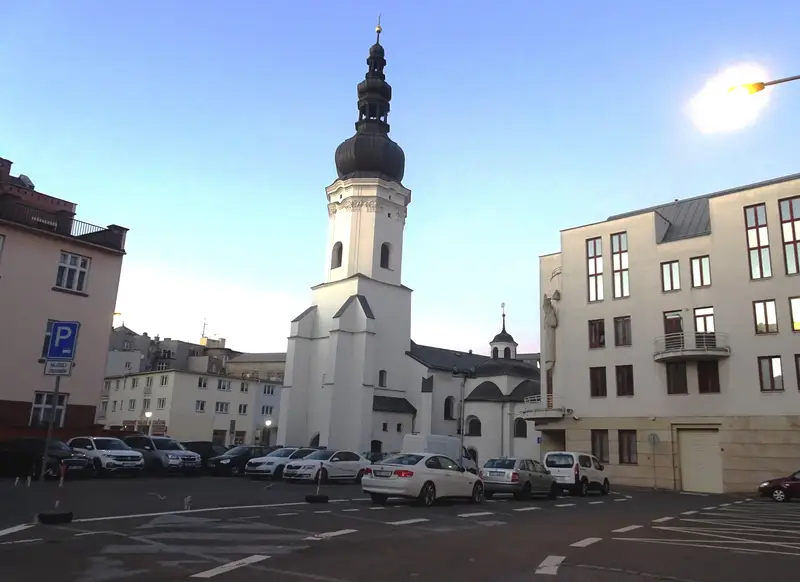
Photo: Palickap, CC BY-SA 4.0 1297 St Wenceslas ChurchThe church was built in the second half of the 13th century and is one of Ostrava’s oldest monuments; a record of an Ostrava parish priest from 1297 is indirect evidence of it. In the 14th century a larger church replaced the original single-nave building.
Moravská Ostrava, Moravská Ostrava a Přívoz · Source: Wikipedie: Kostel svatého Václava (Ostrava) · checked 2. 11. 2026 -

Photo: Milan Slíva, CC BY-SA 4.0 2004 St Catherine’s Church in HrabováThe wooden church from the second quarter of the 16th century (its timber was felled after 1522) almost completely burned down on 2 April 2002. By 2004 a period copy was built using the surviving parts, consecrated on 27 November 2004.
-
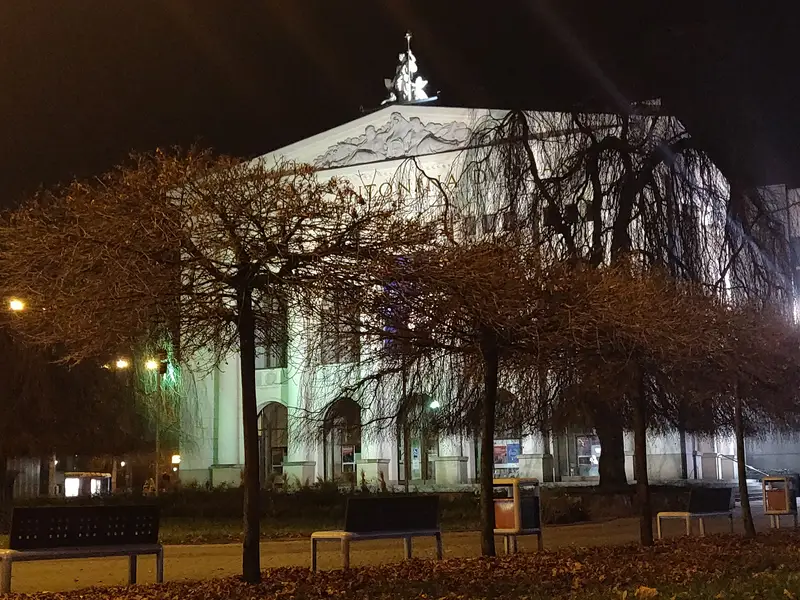
Photo: Michał Bulsa, CC BY-SA 4.0 1907 Antonín Dvořák TheatreThe theatre, designed by Alexander Graf, opened on 28 September 1907, and until 1919 it staged only German performances. It has carried Antonín Dvořák’s name since 1990.
Moravská Ostrava, Moravská Ostrava a Přívoz · Source: Wikipedie: Divadlo Antonína Dvořáka · checked 2. 11. 2026
We checked every fact at its source on the day shown and wrote it in our own words. Photos come from Wikimedia Commons under free licences, with the author credited.
Also useful
Frequently asked questions
How many facts are here?
16 so far, each about one place in a specific neighbourhood. More are added over time; the newest are at the bottom.
How do we choose the facts?
Only verifiable facts about places that give a neighbourhood its face: buildings, parks, institutions. We write them in our own words and give the source and the day we checked each one.
Where are the photos from?
From Wikimedia Commons under licences that need only attribution (CC BY, CC BY-SA, CC0). The author and licence are shown with every photo.