Did you know? Facts about Brno’s neighbourhoods
Verified facts about the places that give neighbourhoods their face: 16 places, each with a photo, a source and the day we checked it.
-

Photo: Karelj, CC BY-SA 3.0 1930 Villa TugendhatLudwig Mies van der Rohe designed the villa for Grete and Fritz Tugendhat; building started in June 1929 and the family moved in in December 1930. The famous “onyx” wall is in fact aragonite. The villa has been on the UNESCO list since 2001, and on 26 August 1992 the agreement to split Czechoslovakia was signed here.
-
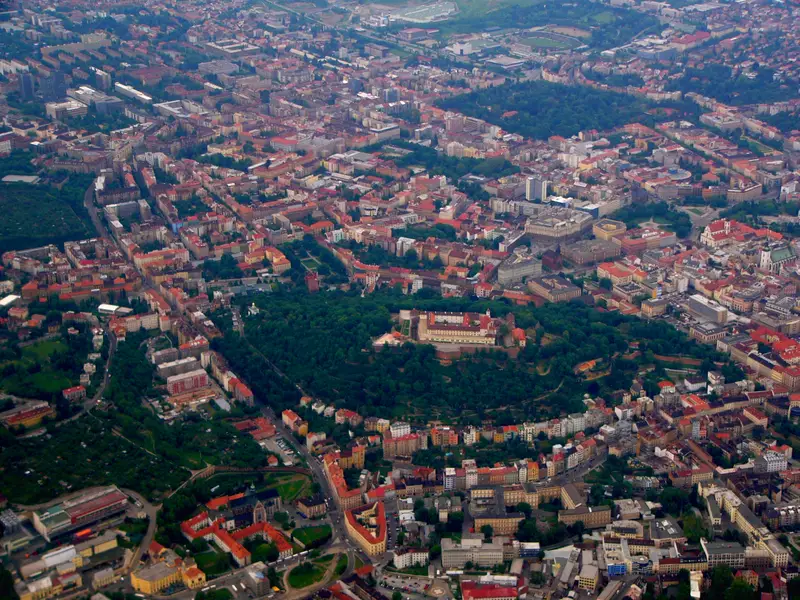
Photo: Michal Maňas, CC BY 2.5 1784 Špilberk CastleJoseph II had the mid-13th-century castle turned into a civilian prison; the first prisoners arrived in June 1784. The Italian poet Silvio Pellico made it known across Europe with his book My Prisons. The prison closed in 1855 and the castle then served as barracks for a hundred years.
-
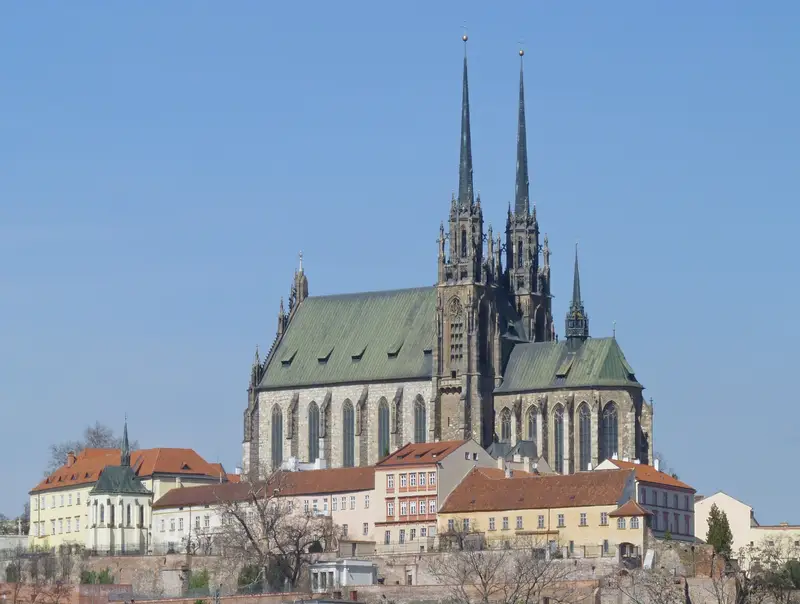
Photo: Michal Klajban, CC BY-SA 3.0 1645 Noon at eleven on PetrovThe bells of the cathedral on Petrov ring noon at 11 o’clock. Legend says this is how the defenders tricked the Swedes in 1645: their commander had promised to withdraw if he did not take Brno by noon.
-
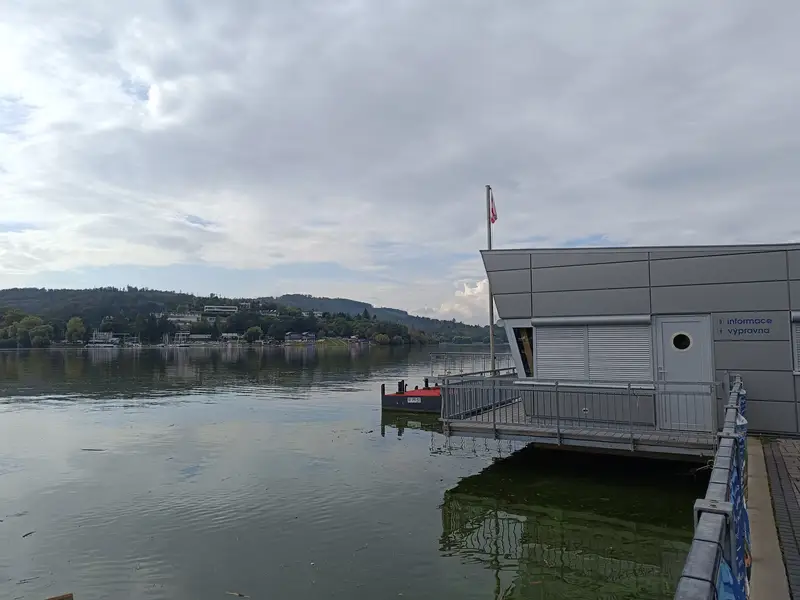
Photo: Martin Strachoň, CC BY-SA 4.0 1940 Brno ReservoirThe dam on the Svratka was built in 1936–1940. The water covers 259 hectares and reaches almost 10 kilometres upstream to Veverská Bítýška; the dam crest is 120 metres long. Pleasure boats have sailed here since 1946.
-

Photo: Radler59, CC BY-SA 4.0 1882 Mahen Theatre and Edison’s bulbsThe theatre opened on 14 November 1882 as the first on the European continent with electric light bulbs. The design came from Thomas Edison’s laboratory, and the power from a small steam plant in Vlhká Street that ran until 1898.
-
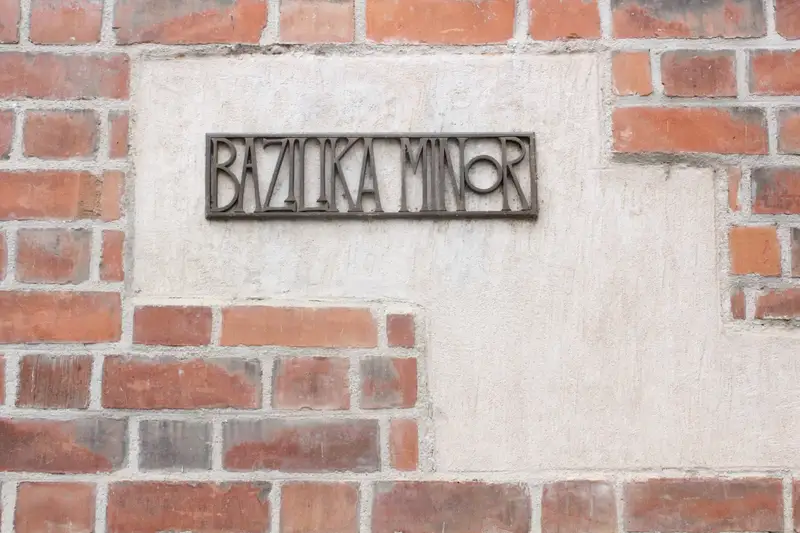
Photo: Jan Sapák, CC BY 4.0 1856 Mendel’s abbey in Staré BrnoAs a monk of the Augustinian abbey in Staré Brno, Gregor Mendel crossed peas from 1856 to 1863. He presented the results to Brno’s naturalists in February and March 1865, laying the foundations of genetics; he was the abbey’s abbot from 1868 to 1884.
-
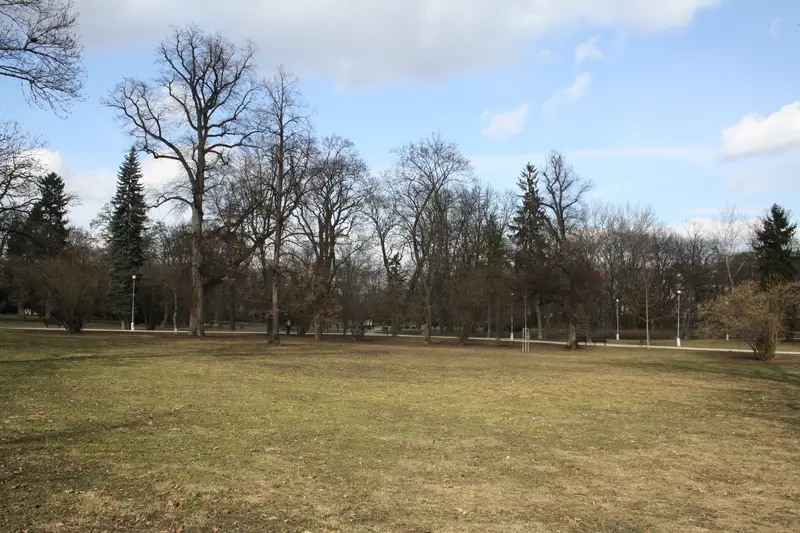
Photo: Jiří Sedláček (Frettie), CC BY 3.0 1786 LužánkyIn 1786 Emperor Joseph II gave the grounds of a dissolved Jesuit monastery to the city for a public park. That makes Lužánky the oldest city park open to the public in Czechia; it covers over 22 hectares.
-
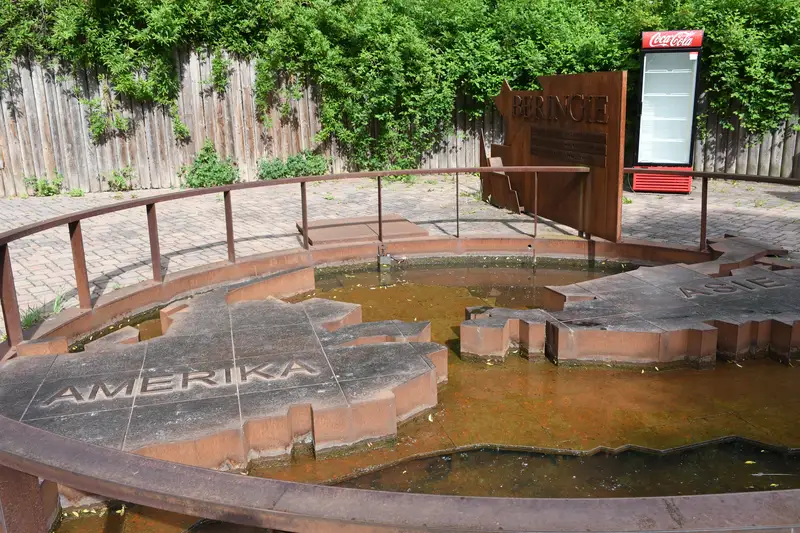
Photo: Ben Skála, Benfoto, CC BY-SA 4.0 1953 Brno ZooThe zoo on the slopes of Mniší hora opened on 30 August 1953 and now covers 64.6 hectares. Its greatest breeding success is the polar bear: the first cub, Kukulín, was raised here in 1976.
-
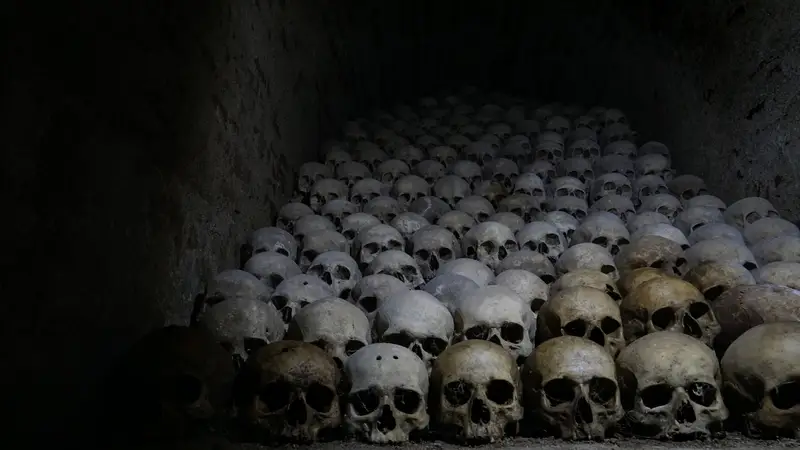
Photo: Totalrandomphotos, CC BY-SA 4.0 2001 St James’s OssuaryArchaeologists rediscovered the ossuary under Jakubské náměstí in 2001, and it opened to the public in June 2012. With the remains of up to 50,000 people it is the second largest in Europe, after the Paris catacombs.
-
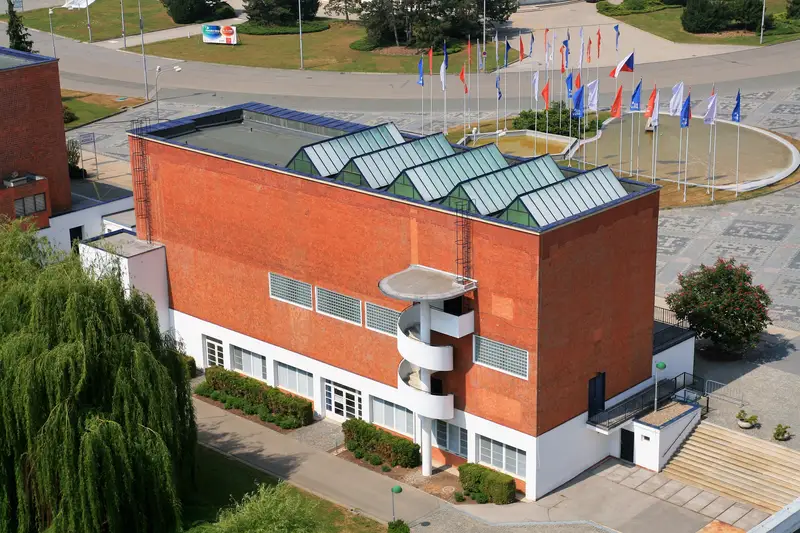
Photo: Martin Strachoň, CC BY-SA 4.0 1928 Brno Exhibition CentreThe grounds opened on 26 May 1928 with the Exhibition of Contemporary Culture, marking ten years of the republic. They cover 36 hectares; the oldest building is Pavilion A, and the dome of Pavilion Z is 90 metres across.
-
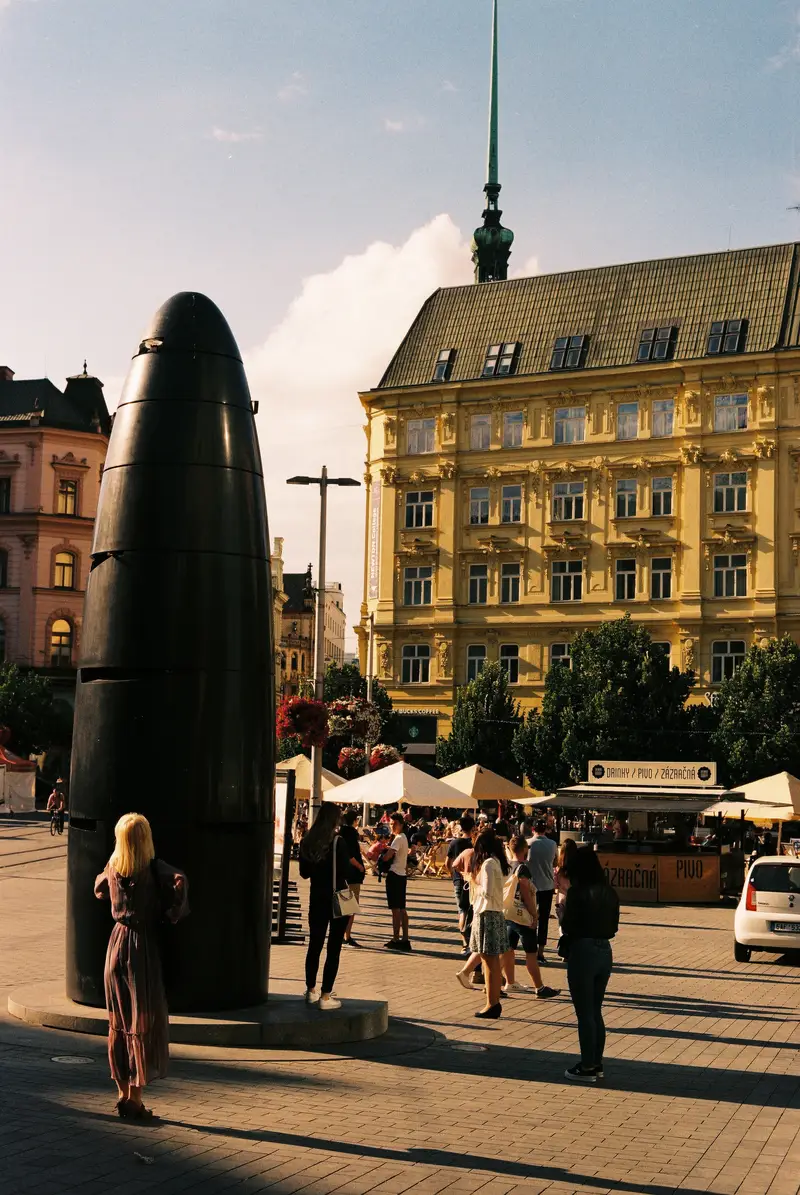
Photo: Martin Malec, CC0 2010 Brno astronomical clockThe six-metre black stone clock on náměstí Svobody was unveiled on 18 September 2010, the 365th anniversary of Brno’s defence against the Swedes. Every day at 11 o’clock it releases a glass marble that someone in the crowd can catch.
-

Photo: RomanM82, CC BY-SA 4.0 1213 Veveří CastleThe castle above the Svratka is first mentioned in writing in 1213 and is one of the largest castle complexes in Czechia. The Wehrmacht and SS seized it during the war; it has been open to the public again since summer 2002.
-

Photo: Henta, CC BY-SA 3.0 1375 The Carthusian monastery in Královo PoleMargrave John Henry of Luxembourg, brother of Charles IV, founded the Carthusian monastery, consecrated on 13 August 1375. Joseph II dissolved it in 1782; today it houses the Faculty of Information Technology of Brno University of Technology.
Královo Pole, Brno-Královo Pole · Source: Wikipedie: Kartuziánský klášter (Královo Pole) · checked 1. 11. 2026 -
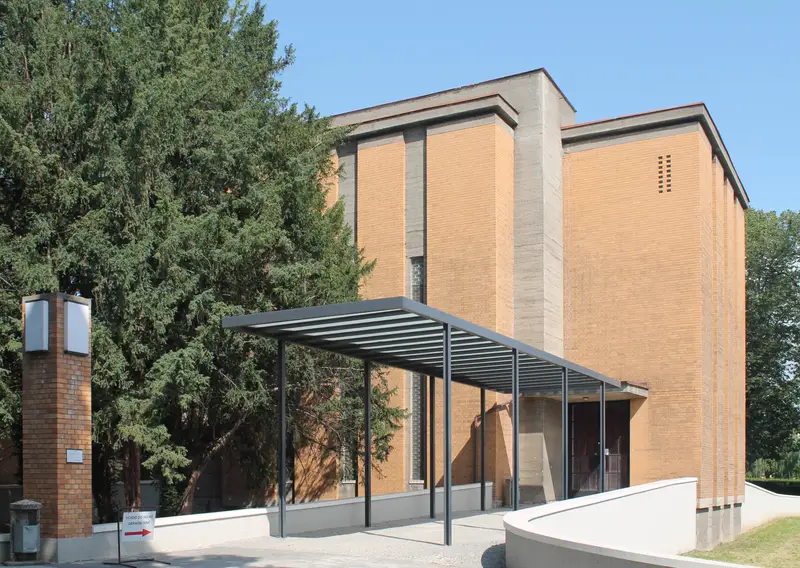
Photo: Harold, CC BY-SA 4.0 1883 Central CemeteryThe cemetery opened on 3 November 1883 and is the second largest burial ground in Czechia, with 43 hectares and some 80,000 grave sites. Gregor Mendel and Leoš Janáček are buried here.
-
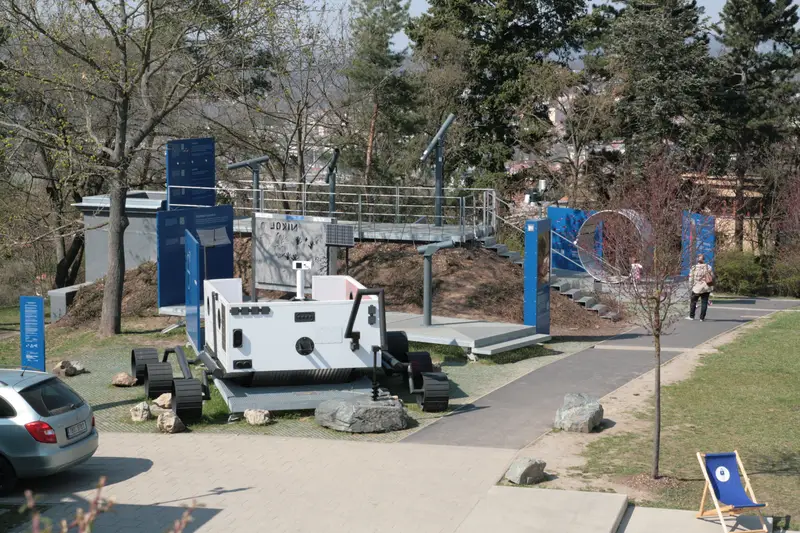
Photo: Martin Strachoň, CC BY-SA 4.0 1954 The observatory on Kraví horaThe observatory was officially opened on 16 October 1954. The large planetarium of 1991 has a dome 17.5 metres across inside, and its top at 318 metres is the highest point for several kilometres around.
-
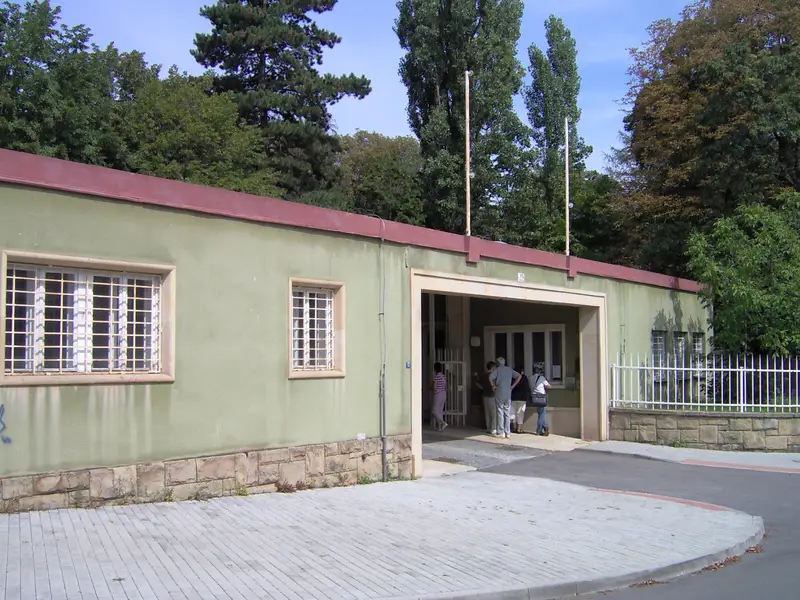
Photo: Harold, CC BY 3.0 1929 Villa StiassniErnst Wiesner designed the villa for textile industrialist Alfred Stiassni and his wife Hermine; it was finished in 1929. It later served as the “government villa” for important guests, Fidel Castro among them, and after its restoration it has been open to the public since December 2014.
We checked every fact at its source on the day shown and wrote it in our own words. Photos come from Wikimedia Commons under free licences, with the author credited.
Also useful
Frequently asked questions
How many facts are here?
16 so far, each about one place in a specific neighbourhood. More are added over time; the newest are at the bottom.
How do we choose the facts?
Only verifiable facts about places that give a neighbourhood its face: buildings, parks, institutions. We write them in our own words and give the source and the day we checked each one.
Where are the photos from?
From Wikimedia Commons under licences that need only attribution (CC BY, CC BY-SA, CC0). The author and licence are shown with every photo.