District heating in Brno
Whether a flat is heated by the heating plant, a boiler for the building or its own gas boiler shows in the advance payments and in comfort. Where district heating prevails in Brno, what to expect and what to ask before you sign.
What district heating means
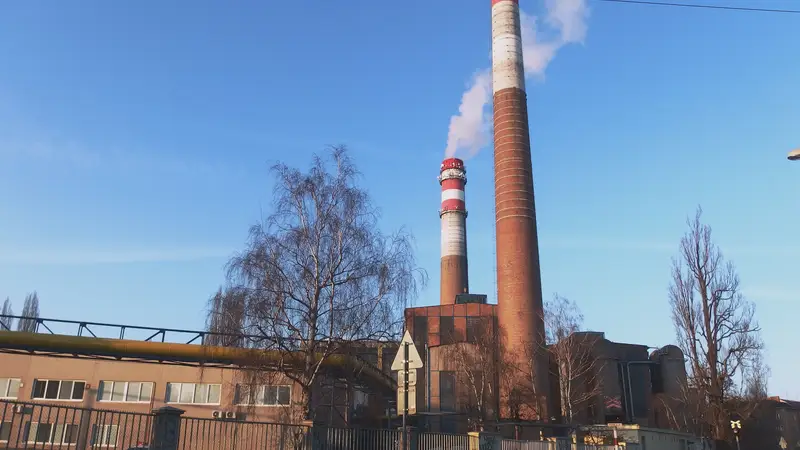
A building on district heating has no boiler of its own: heat comes through a hot-water or steam pipe from the heating plant to a substation in the basement, and from there to the radiators and the hot water. Nothing burns in the flat, and there are no boiler inspections or chimney. The heat is split between flats by floor area and by meters on the radiators or flat heat meters.
Where in Brno homes are heated by the plant the most
We compare the share of flats in buildings that the building register lists as heated by the heating plant, for 36 neighbourhoods. The most are in Bystrc (89 %), Nový Lískovec (89 %) and Lesná (86 %), the fewest in Stránice (0 %), Horní Heršpice (0 %) and Tuřany (1 %). In the middle neighbourhood it is 35 % of flats.
Where Brno is heated from the district plant: neighbourhoods
- 89 % of flats on district heating Bystrc Brno-Bystrc
- 89 % of flats on district heating Nový Lískovec Brno-Nový Lískovec
- 86 % of flats on district heating Lesná Brno-sever
- 85 % of flats on district heating Kohoutovice Brno-Kohoutovice
- 84 % of flats on district heating Bohunice Brno-Bohunice
- 80 % of flats on district heating Starý Lískovec Brno-Starý Lískovec
- 67 % of flats on district heating Líšeň Brno-Líšeň
- 51 % of flats on district heating Židenice Brno-Židenice
- 50 % of flats on district heating Žabovřesky Brno-Žabovřesky
- 50 % of flats on district heating Komín Brno-Komín
Least district heating
- 0 % of flats on district heating Stránice Brno-střed
- 0 % of flats on district heating Horní Heršpice Brno-jih
- 1 % of flats on district heating Tuřany Brno-Tuřany
- 1 % of flats on district heating Soběšice Brno-sever
- 1 % of flats on district heating Bosonohy Brno-Bosonohy
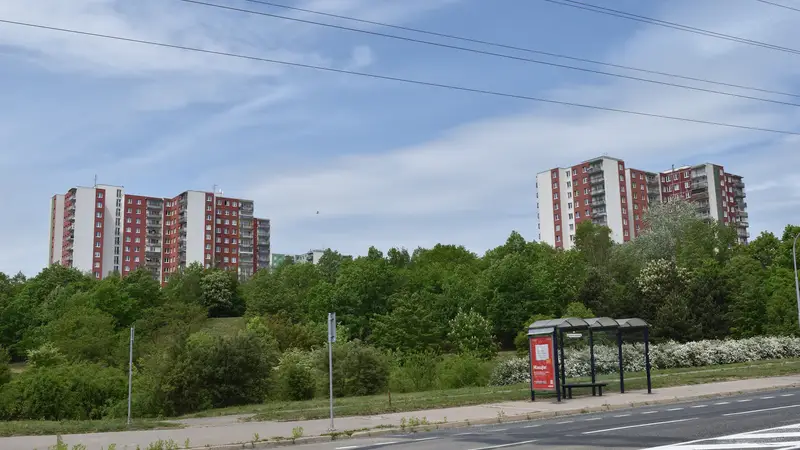
The heating network, run by Teplárny Brno, leads mainly to the housing estates that were built with it in mind, such as Lesná, Bohunice, Bystrc or Kohoutovice. Villa areas, former villages on the edge and old apartment blocks more often have their own gas boilers, a boiler room for the building or heat pumps. The neighbourhood is only a first clue, though: the building itself decides.
Pros and cons
- Comfort: no boiler, no inspections and no replacing a boiler for tens of thousands. Hot water runs in summer too.
- Safety: no gas burns in the flat, so there is no risk of a gas or carbon monoxide leak.
- Less control: the building switches the heating season on and off, not you. You set room temperatures with thermostatic valves.
- Price: set by the heat supplier, and it differs between networks. You pay a fixed part even if you heat little, and the split between flats may not match exactly how much you used.
What to ask at a viewing
- The last annual bill: what the building and the flat actually paid for heat and hot water, not just the advance payments.
- Metering: are there meters on the radiators or heat meters? Without them you pay by floor area only.
- Position in the building: corner flats, flats under the roof and above a passage use more heat. The split evens this out only partly.
- Insulation and windows: an insulated building with new windows uses much less heat than the same building without them.
- The substation: when the building last modernised it, and whether the owners’ association or cooperative is planning to disconnect and build its own boiler room.
Frequently asked questions
Which Brno neighbourhood has the most district heating?
The highest share of flats on district heating is in Bystrc (89 %), Nový Lískovec (89 %) and Lesná (86 %). We count by the building register, each building once.
Where in Brno is there hardly any district heating?
The lowest share is in Stránice (0 %), Horní Heršpice (0 %) and Tuřany (1 %). Homes there are heated mainly by gas or heat pumps in each building.
Is district heating cheaper than a gas boiler?
It depends on the heat price in the given network and on the gas price, and both change every year. District heating saves you the worry of a boiler, inspections and a chimney; your own boiler lets you heat exactly as you like. Compare the bills for the last year.