Where is it?
Do you know Ostrava from a photo? 5 new photos of places, neighbourhoods and parks every day: tap the map where you think each was taken. The closer, the more points.
Yesterday’s photos and answers
Where yesterday’s photos were taken. Today’s answers appear here tomorrow.
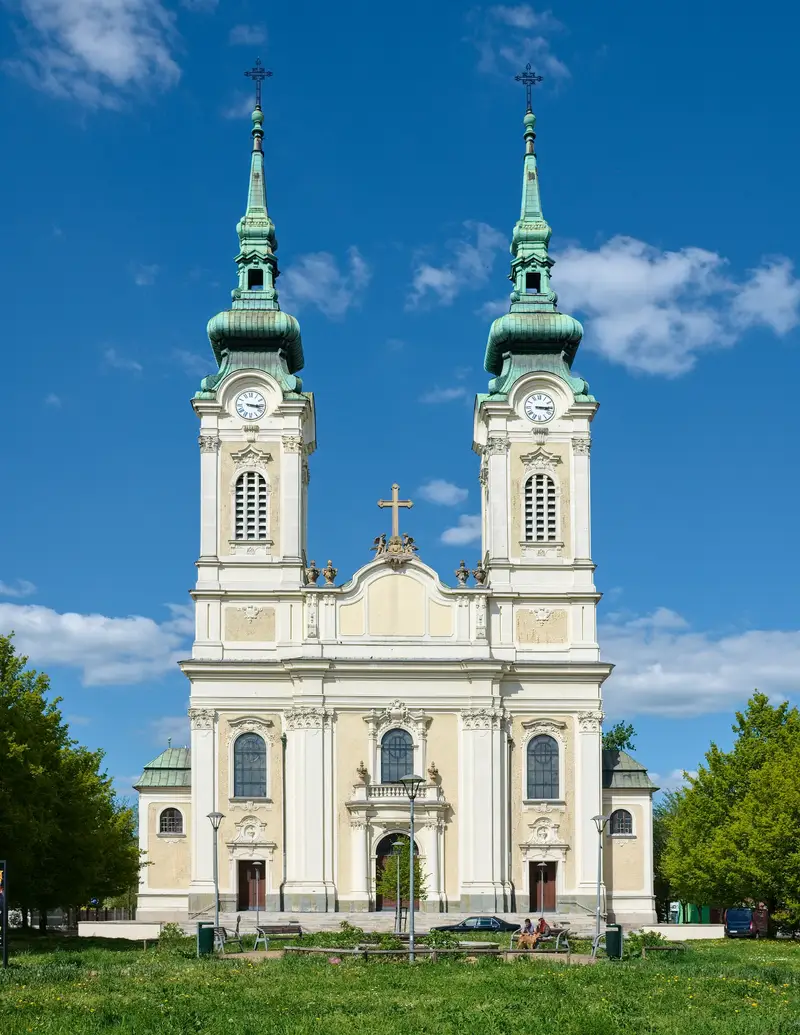
Photo: Petr Štefek, CC BY-SA 3.0 cz
Mariánské Hory used to be Čertova Lhotka Mariánské Hory
Until 1901 the village was called Čertova Lhotka (“Devil’s Lhotka”), a name locals felt was insulting. The municipal secretary Jan Grmela pushed through the change: “Mariánské” after the parish’s patron, the Virgin Mary, and “Hory” (hills) for its hilltop position and its miners. The church of the Virgin Mary, Queen was built here in 1905–1908.

Photo: Olos88, CC0
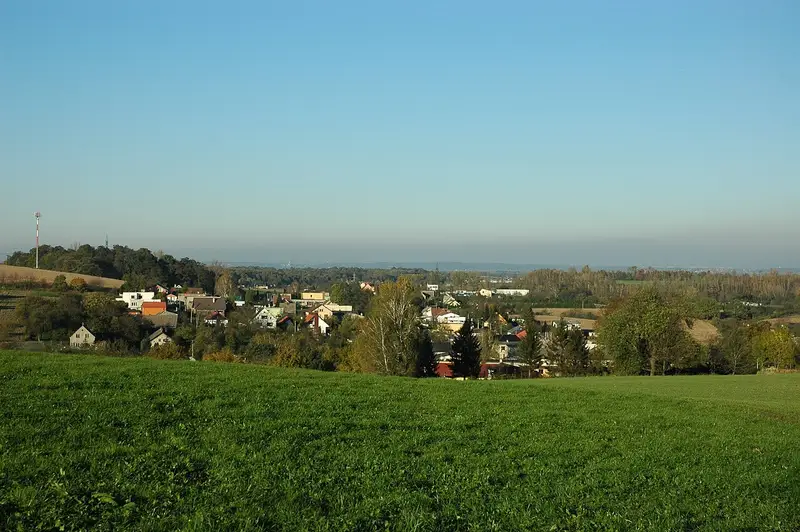
A housing estate on an airfield Dubina
Where Dubina’s prefab blocks stand today, Hrabůvka airfield operated from 1936 until the turn of the 1950s and 60s. After it closed the estate was built, and on 1 January 1984 Dubina became a part of the city in its own right. Almost one in twenty Ostrava residents lives here.
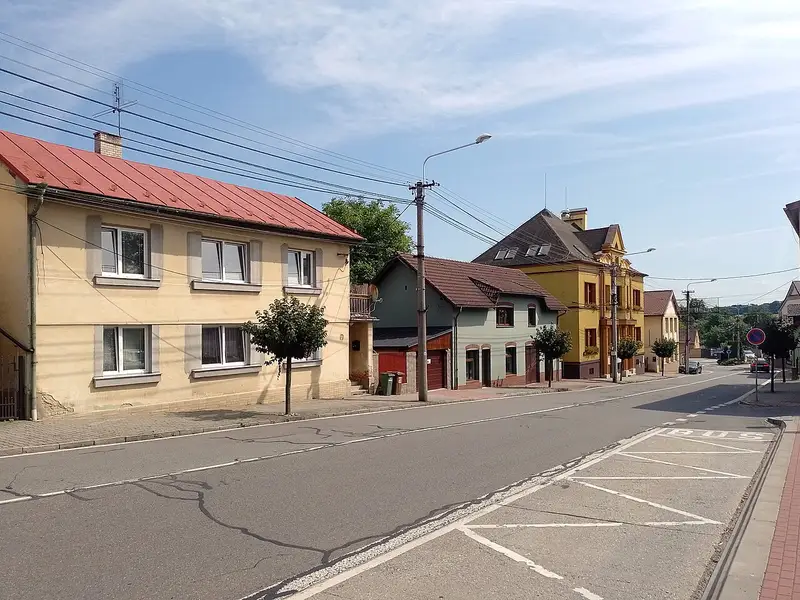
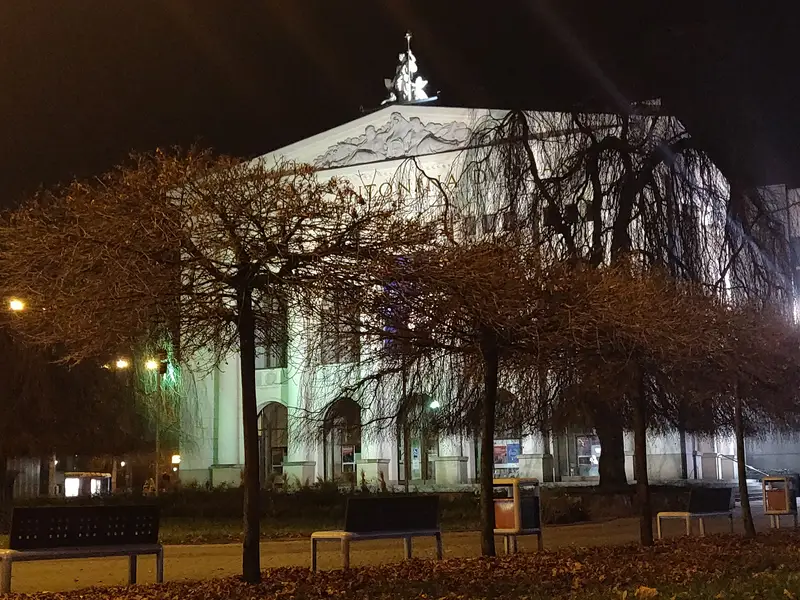
Photo: Michał Bulsa, CC BY-SA 4.0
Antonín Dvořák Theatre Moravská Ostrava
The theatre, designed by Alexander Graf, opened on 28 September 1907, and until 1919 it staged only German performances. It has carried Antonín Dvořák’s name since 1990.
About the game
Where is it? is a daily game for anyone who wants to know Ostrava better: locals, newcomers and people still choosing where to live. The photos show streets, parks and well-known places, and every answer links to a page with rents, schools, transport and residents’ reviews. The more neighbourhoods you know, the easier it is to choose where to live.
Frequently asked questions
How do you play Where is it?
Every day you get 5 photos from Ostrava: neighbourhoods, parks and well-known places. For each, tap the map where you think it was taken and confirm. We show the right spot, how far off you were and your points. Everyone plays the same photos on the same day, so you can compare results.
How are the points counted?
Each photo is worth up to 1,000 points: a spot-on guess 1,000, a kilometre off about 500, three kilometres about 140, seven kilometres or more almost nothing. For a neighbourhood, the distance is to its centre.
Where are the photos from, and do I need an account?
The photos are from Wikimedia Commons and other freely licensed sources, each with its author. No account needed: your browser remembers today’s guesses and your stats.